


Excellent traditional culture
Date:2025-10-16 Views:40
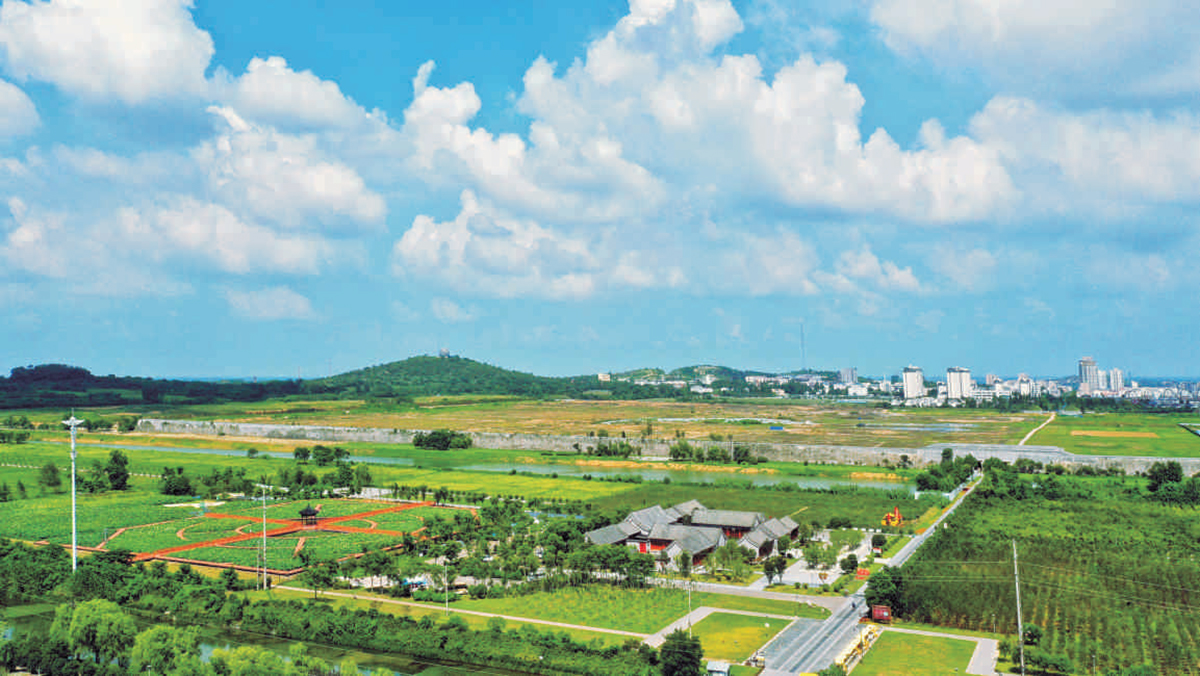
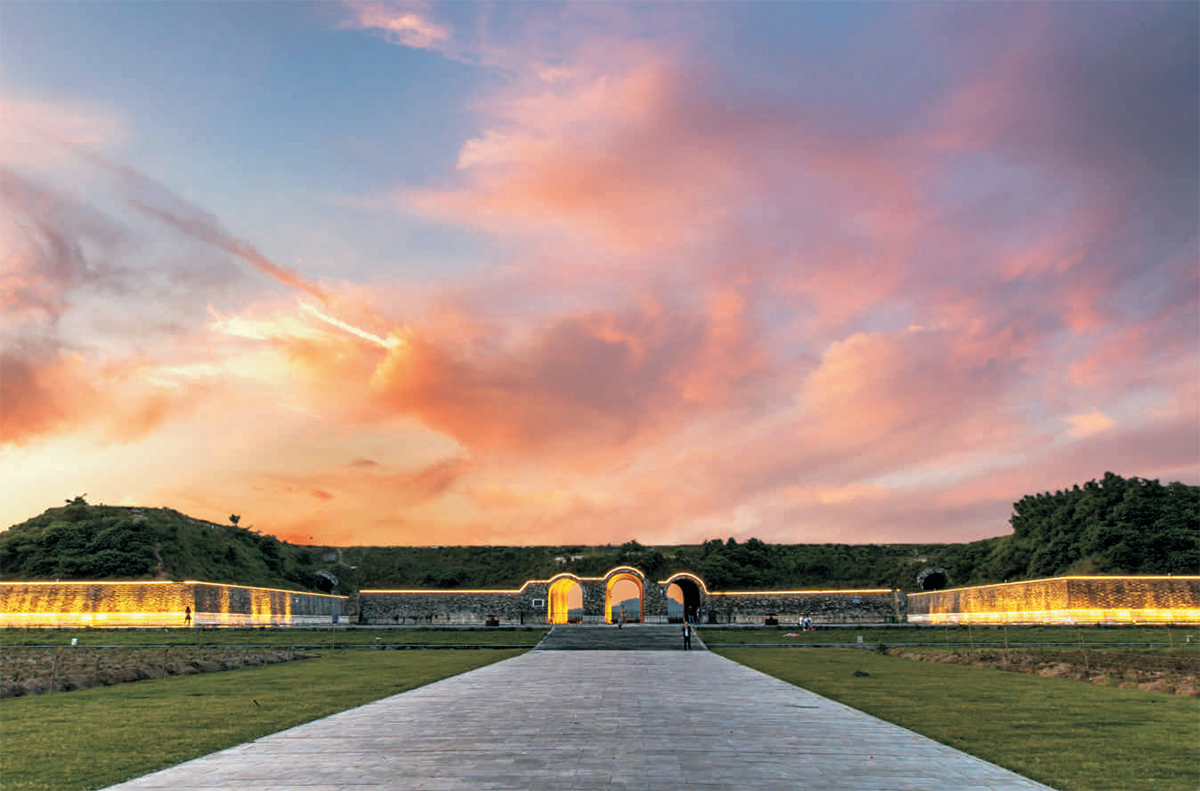
Fengyang County Mingzhong Duhuang Ancient City Ruins:
Mingzhongdu was the capital city built by Ming Taizu Zhu Yuanzhang in his hometown Fengyang, and was the first of the "Three Capitals of the Early Ming Dynasty". Covering an area of over 50 square kilometers, the Inner Imperial City occupies approximately 840000 square meters, which is 120000 square meters larger than the Forbidden City in Beijing. It has been listed as a national key cultural relic protection unit.
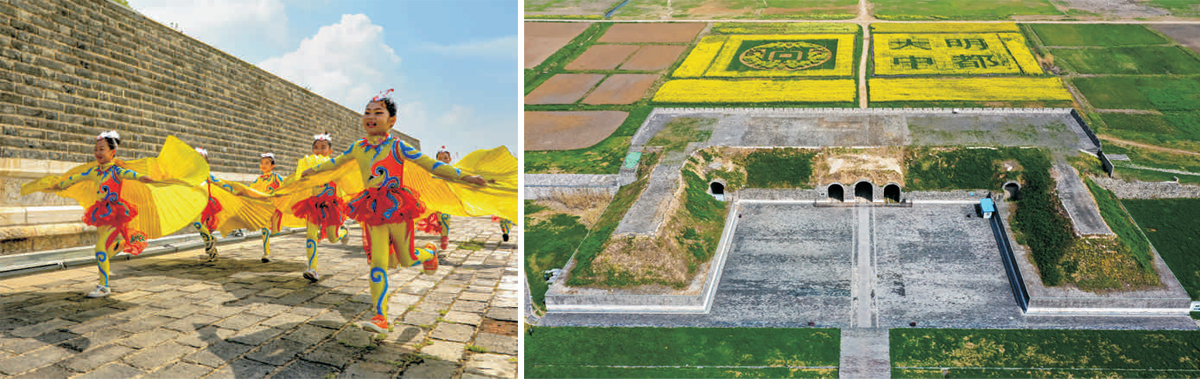
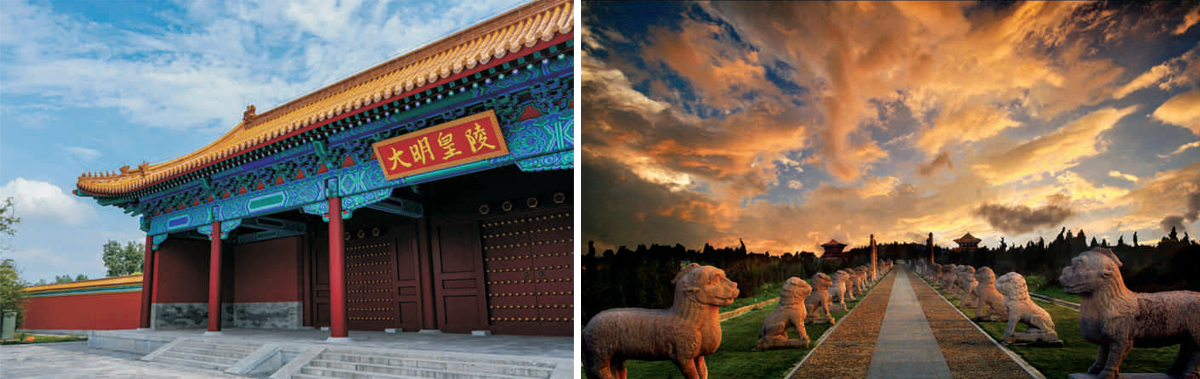
Ming Emperor Mausoleum Filial Piety Culture Museum:
Located seven kilometers south of Fengyang County, the Ming Imperial Mausoleum was built by the founding emperor of the Ming Dynasty, Zhu Yuanzhang, for his parents and sister-in-law. It mainly consists of three roads: the imperial city, the brick city, and the earth city, with more than a thousand halls and houses, as well as hills and stone carvings. It has been listed as the second batch of national key cultural relics protection units by the State Council.
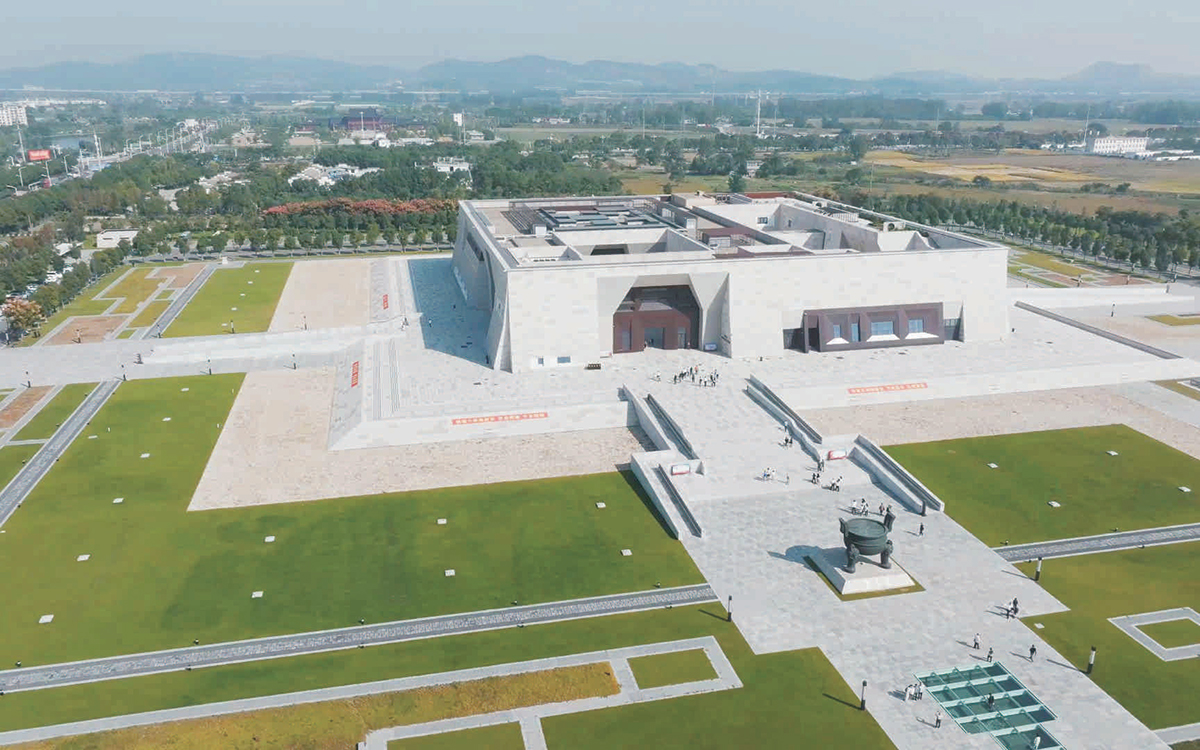
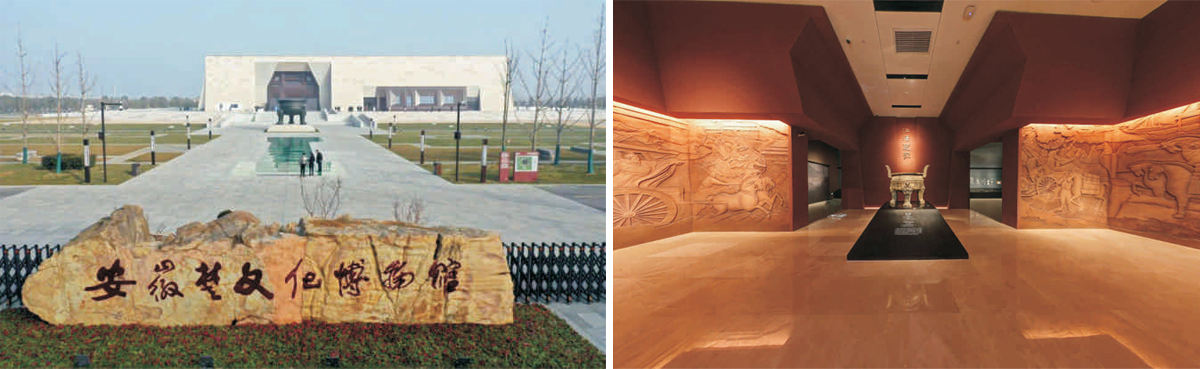
Chu Culture Museum:
Located in Shouxian County, Huainan City, it is the only museum in China named after "Chu Culture". The collection in the museum consists of over 700 pieces (sets), telling the story of the last glory and decline of the Chu state, and conveying the spiritual power contained in Chu culture.
Fengyang County Mingzhong Duhuang Ancient City Ruins:
Mingzhongdu was the capital city built by Ming Taizu Zhu Yuanzhang in his hometown Fengyang, and was the first of the "Three Capitals of the Early Ming Dynasty". Covering an area of over 50 square kilometers, the Inner Imperial City occupies approximately 840000 square meters, which is 120000 square meters larger than the Forbidden City in Beijing. It has been listed as a national key cultural relic protection unit.
Ming Emperor Mausoleum Filial Piety Culture Museum:
Located seven kilometers south of Fengyang County, the Ming Imperial Mausoleum was built by the founding emperor of the Ming Dynasty, Zhu Yuanzhang, for his parents and sister-in-law. It mainly consists of three roads: the imperial city, the brick city, and the earth city, with more than a thousand halls and houses, as well as hills and stone carvings. It has been listed as the second batch of national key cultural relics protection units by the State Council.
Chu Culture Museum:
Located in Shouxian County, Huainan City, it is the only museum in China named after "Chu Culture". The collection in the museum consists of over 700 pieces (sets), telling the story of the last glory and decline of the Chu state, and conveying the spiritual power contained in Chu culture.
- Last:None
- Next:Green development
 Nationally Recognized Civilized Village
 Top Ten Famous Villages in China
 National Ecological Culture Village
 National Key Cultural Relics Protection Units
 National Rural Revitalization Demonstration Village
 National 4A level tourist attraction