


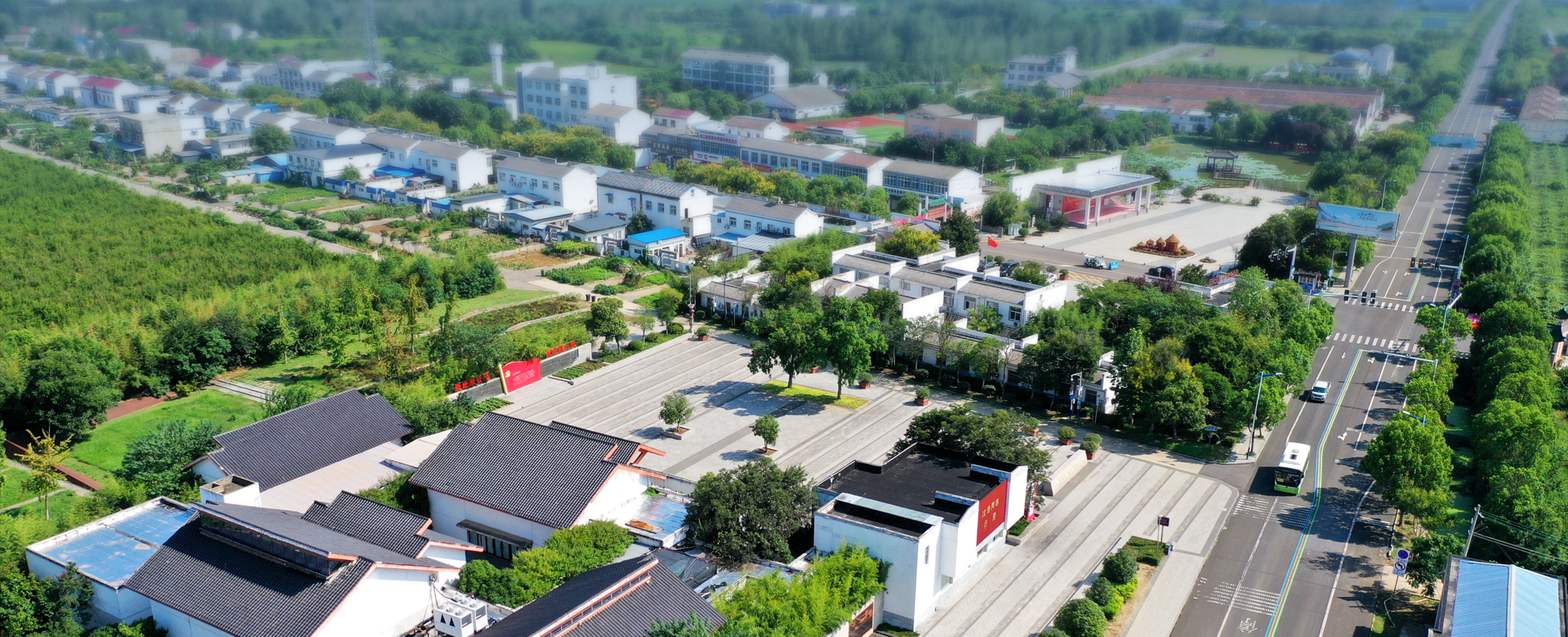
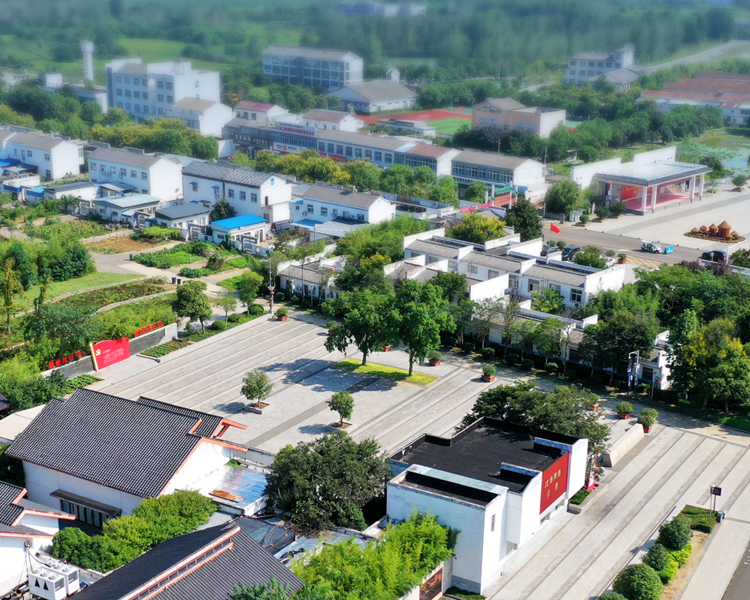
Xiaogangcun had a rich and diverse rural intangible cultural heritage in the past
Date:2025-09-30 Views:90
The intangible cultural heritage in the rural areas of Xiaogang Village was rich and diverse, and the following are some of the main types
Folk Art Performance Category
• Fengyang Flower Drum:Originating from the Ming Dynasty, it has a history of over 600 years and was selected as the first batch of national intangible cultural heritage in 2006. The performance takes the form of a man and a woman, with the man striking a small gong. Fengyang Flower Drum, also known as "Flower Drum", "Flower Drum Small Gong", "Double Drum", etc., originated in Linhuai County, Fengyang Prefecture (now the eastern part of Fengyang County). It is a Han folk performing art that combines folk music and dance.
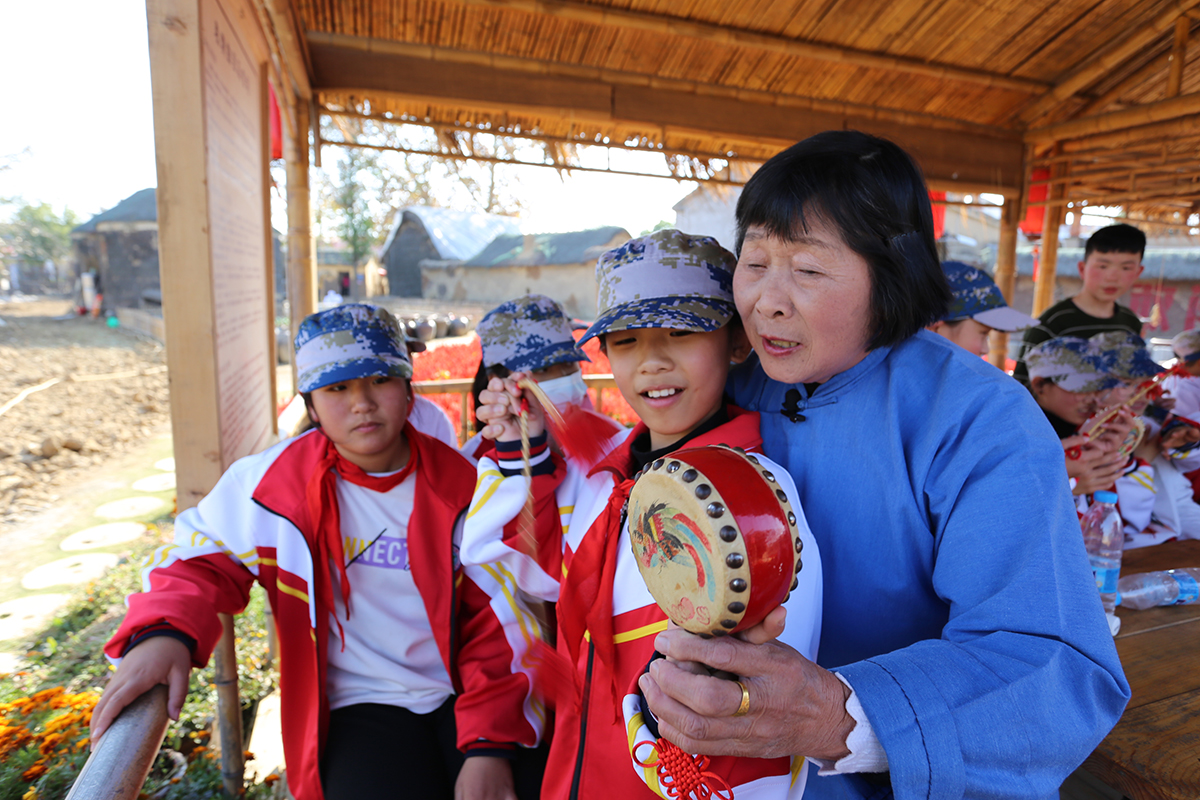
• Fengyang folk songs:It is a song created by the working people in Fengyang area in their daily life and labor. The melody is beautiful, the lyrics are simple, and it has strong local characteristics, such as "Fengyang is a good place", which vividly reflects the living conditions and emotional demands of the local people. Fengyang folk songs, local traditional music of Fengyang County, Anhui Province, and one of the national intangible cultural heritages.
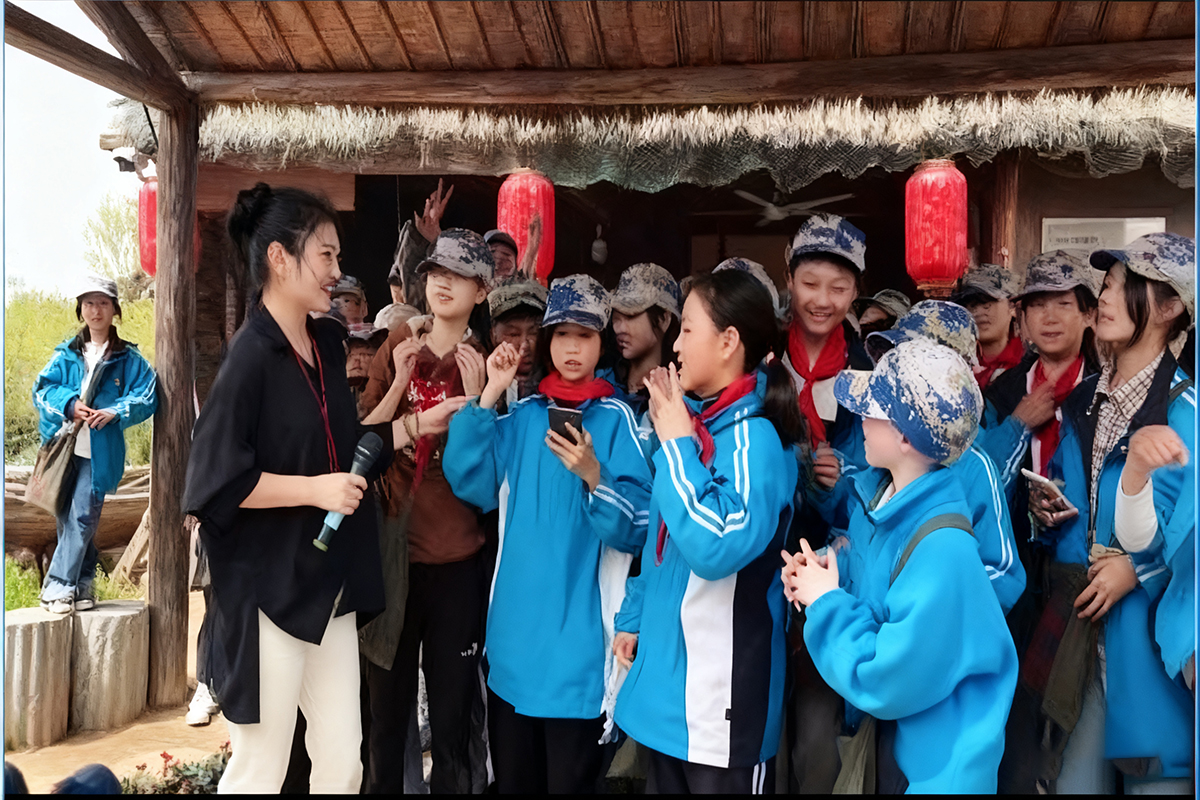
During the Wanli period of the Ming Dynasty's Jiajing reign, the legendary "Red Plum Blossom Record" by Zhou Chaojun was the first to record Fengyang folk songs in written form. From the mid Ming Dynasty to the late Qing Dynasty, the emergence of Fengyang Flower Drum drove the development of Fengyang folk songs. Fengyang Song in Fengyang Flower Drum is an integral part of Fengyang folk songs. Fengyang folk songs are divided into several categories: life folk songs, love songs, political songs, and labor songs, with a total of 300 songs. On May 23, 2011, Fengyang folk songs were approved by the State Council of the People's Republic of China and included in the third batch of national intangible cultural heritage list.
•Huai River Drum:The predecessor of Fengyang Huaihe Dagu was Huaibei Dagu, which was popular in Fengyang, Huaiyuan, Jiashan and other areas. At the end of the Qing Dynasty, the Huaibei drum flowed into Fengyang, and the Fengyang Huaihe drum has been listed as a representative project of intangible cultural heritage in Chuzhou City. In 2021, the Fengyang Huaihe River Drum was designated as a representative intangible cultural heritage project in Chuzhou City.
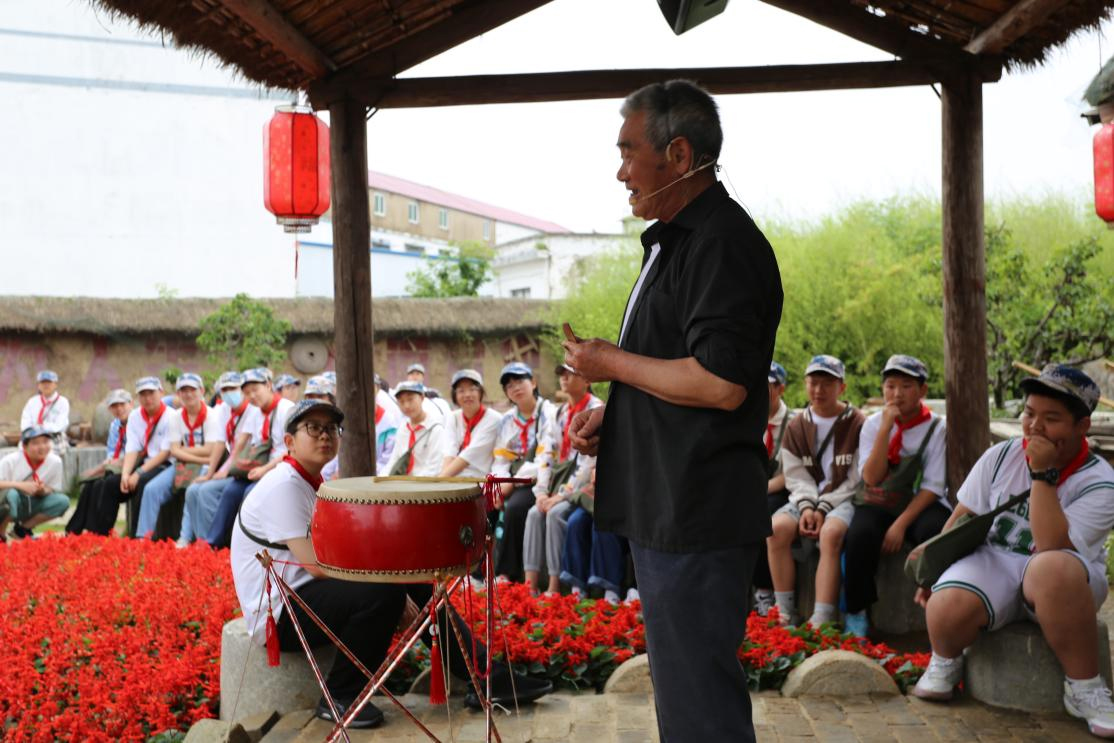
Clear definition of intangible cultural heritage inheritance bases
In 2022, it was selected as an intangible cultural heritage inheritance base in Anhui Province. In July 2023, Fengyang County established the World Whip Dragon and Phoenix Museum (China Xiaogang Intangible Cultural Heritage Museum) and the Fengyang County Elderly Body Fitness Whip Association Training Base in the "Nian Nian Nong" scenic area of Xiaogang Village. It explicitly proposed to inherit Fengyang's dragon and phoenix culture and flower drum intangible cultural heritage through whip activities, and promote rural revitalization by combining them with national fitness.
Traditional handicraft skills
• Haozhou Paper Cuttings:Also known as Chuzhou Paper Cuttings, it is the sixth batch of provincial intangible cultural heritage in Anhui Province. It can be divided into two categories: monochrome Paper Cuttings and color Paper Cuttings, including scissor method and knife carving method. The carving method includes sun carving, yin carving, and yin and yang carving. The content of traditional expression is rich, and now it is also integrated with the theme of new culture.
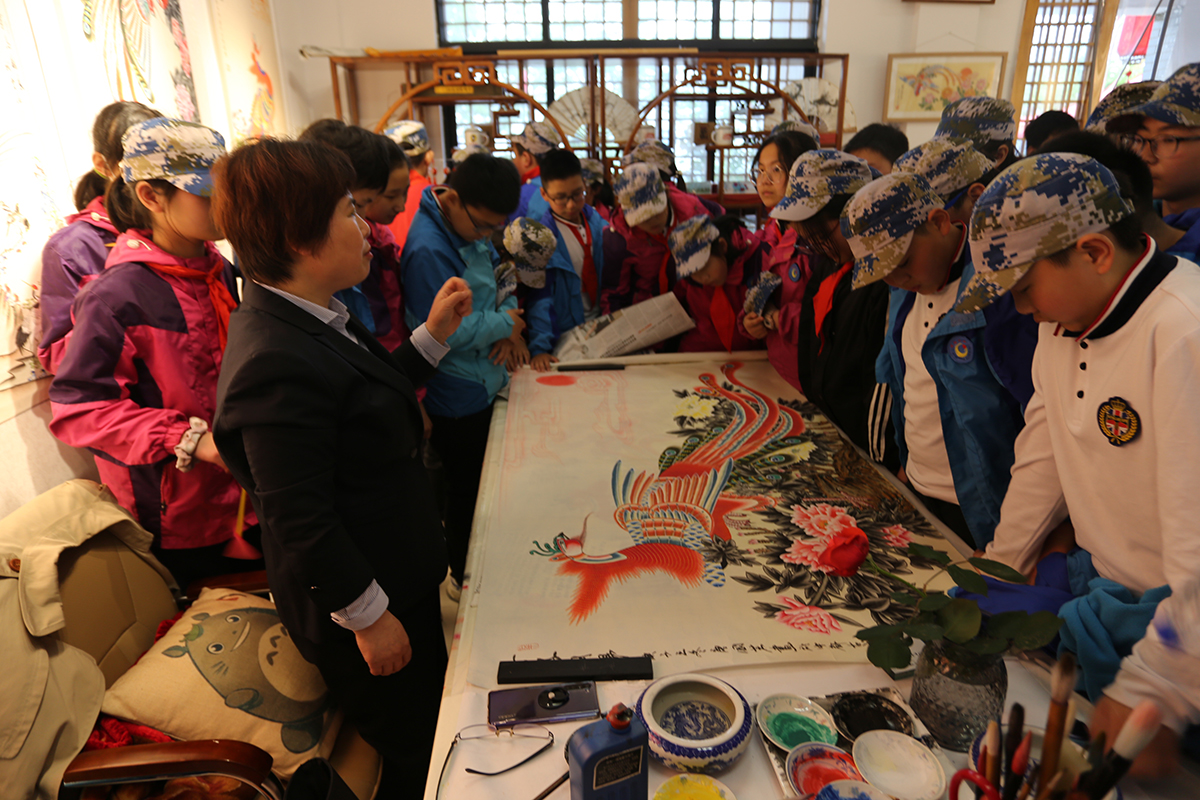
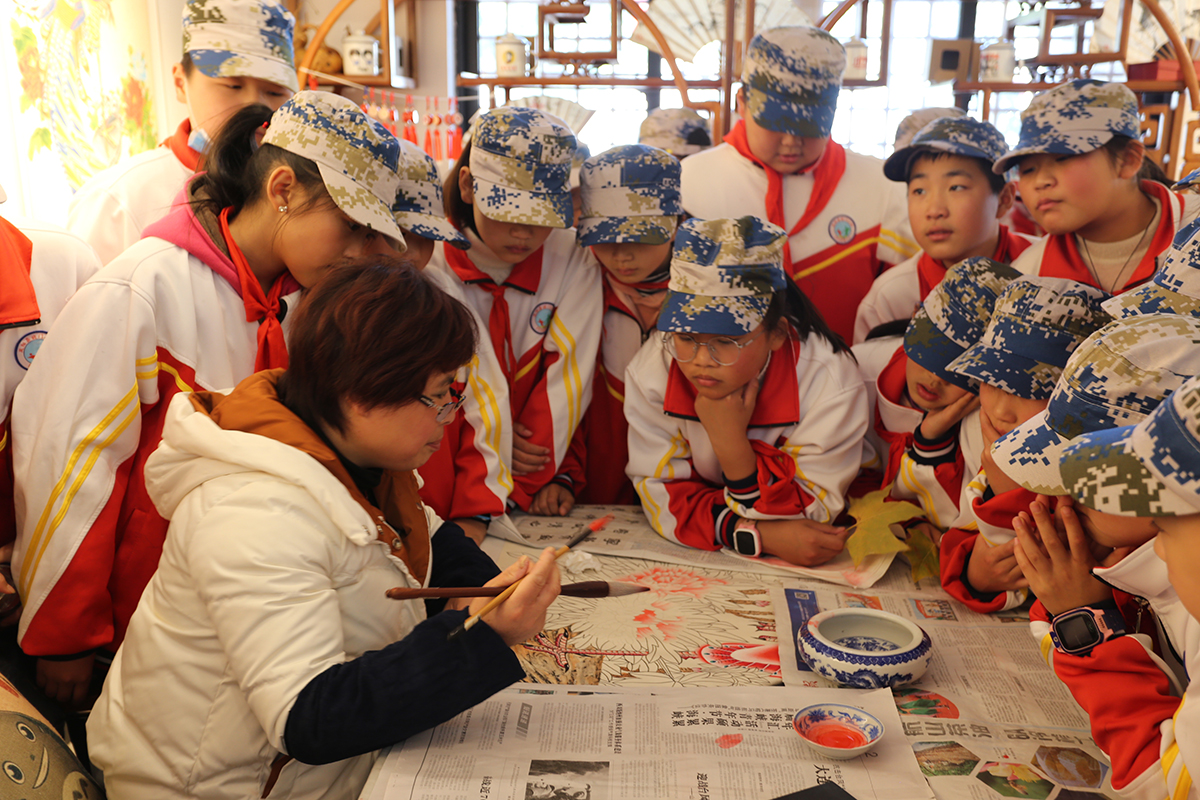
• Fengyang Phoenix Painting:Phoenix painting is a handmade form of folk painting of phoenixes in Fengyang. In the late Yuan and early Ming dynasties, Zhu Yuanzhang designated his hometown as "Fengyang", making it the "hometown of dragons and phoenixes". Phoenix painting has also been widely spread, with phoenixes as the main subject of depiction, featuring snake heads, turtle backs, eagle beak, crane legs, auspicious crowns, nine tails and eighteen wings, etc.
Traditional handmade wood oil pressing
•The Huizhou wood oil pressing technique used in Shengchutang is an intangible cultural heritage project of Anhui Province.
Craftsmanship and Cultural Value
The wood oil pressing process is a traditional technique unique to the Chinese nation, with a history of thousands of years. Its physical pressing method can fully preserve the nutrition and aroma of the oil.
The intangible cultural heritage in the rural areas of Xiaogang Village was rich and diverse, and the following are some of the main types
Folk Art Performance Category
• Fengyang Flower Drum:Originating from the Ming Dynasty, it has a history of over 600 years and was selected as the first batch of national intangible cultural heritage in 2006. The performance takes the form of a man and a woman, with the man striking a small gong. Fengyang Flower Drum, also known as "Flower Drum", "Flower Drum Small Gong", "Double Drum", etc., originated in Linhuai County, Fengyang Prefecture (now the eastern part of Fengyang County). It is a Han folk performing art that combines folk music and dance.
• Fengyang folk songs:It is a song created by the working people in Fengyang area in their daily life and labor. The melody is beautiful, the lyrics are simple, and it has strong local characteristics, such as "Fengyang is a good place", which vividly reflects the living conditions and emotional demands of the local people. Fengyang folk songs, local traditional music of Fengyang County, Anhui Province, and one of the national intangible cultural heritages.
During the Wanli period of the Ming Dynasty's Jiajing reign, the legendary "Red Plum Blossom Record" by Zhou Chaojun was the first to record Fengyang folk songs in written form. From the mid Ming Dynasty to the late Qing Dynasty, the emergence of Fengyang Flower Drum drove the development of Fengyang folk songs. Fengyang Song in Fengyang Flower Drum is an integral part of Fengyang folk songs. Fengyang folk songs are divided into several categories: life folk songs, love songs, political songs, and labor songs, with a total of 300 songs. On May 23, 2011, Fengyang folk songs were approved by the State Council of the People's Republic of China and included in the third batch of national intangible cultural heritage list.
•Huai River Drum:The predecessor of Fengyang Huaihe Dagu was Huaibei Dagu, which was popular in Fengyang, Huaiyuan, Jiashan and other areas. At the end of the Qing Dynasty, the Huaibei drum flowed into Fengyang, and the Fengyang Huaihe drum has been listed as a representative project of intangible cultural heritage in Chuzhou City. In 2021, the Fengyang Huaihe River Drum was designated as a representative intangible cultural heritage project in Chuzhou City.
Clear definition of intangible cultural heritage inheritance bases
In 2022, it was selected as an intangible cultural heritage inheritance base in Anhui Province. In July 2023, Fengyang County established the World Whip Dragon and Phoenix Museum (China Xiaogang Intangible Cultural Heritage Museum) and the Fengyang County Elderly Body Fitness Whip Association Training Base in the "Nian Nian Nong" scenic area of Xiaogang Village. It explicitly proposed to inherit Fengyang's dragon and phoenix culture and flower drum intangible cultural heritage through whip activities, and promote rural revitalization by combining them with national fitness.
Traditional handicraft skills
• Haozhou Paper Cuttings:Also known as Chuzhou Paper Cuttings, it is the sixth batch of provincial intangible cultural heritage in Anhui Province. It can be divided into two categories: monochrome Paper Cuttings and color Paper Cuttings, including scissor method and knife carving method. The carving method includes sun carving, yin carving, and yin and yang carving. The content of traditional expression is rich, and now it is also integrated with the theme of new culture.
• Fengyang Phoenix Painting:Phoenix painting is a handmade form of folk painting of phoenixes in Fengyang. In the late Yuan and early Ming dynasties, Zhu Yuanzhang designated his hometown as "Fengyang", making it the "hometown of dragons and phoenixes". Phoenix painting has also been widely spread, with phoenixes as the main subject of depiction, featuring snake heads, turtle backs, eagle beak, crane legs, auspicious crowns, nine tails and eighteen wings, etc.
Traditional handmade wood oil pressing
•The Huizhou wood oil pressing technique used in Shengchutang is an intangible cultural heritage project of Anhui Province.
Craftsmanship and Cultural Value
The wood oil pressing process is a traditional technique unique to the Chinese nation, with a history of thousands of years. Its physical pressing method can fully preserve the nutrition and aroma of the oil.
- Last:None
- Next:Two day tour guide for Xiaogang
 Nationally Recognized Civilized Village
 Top Ten Famous Villages in China
 National Ecological Culture Village
 National Key Cultural Relics Protection Units
 National Rural Revitalization Demonstration Village
 National 4A level tourist attraction