


Labor Practice Courses
Date:2025-09-29 Views:43
Labor Practice Courses
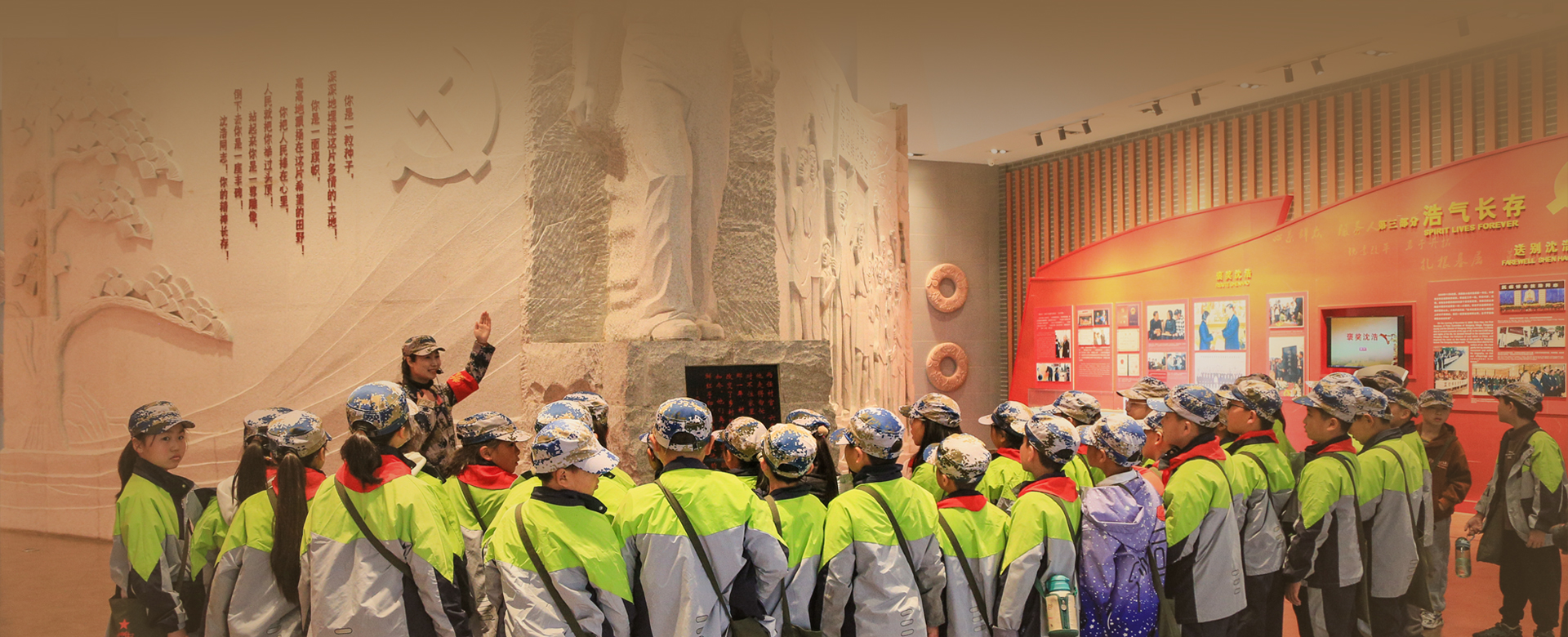
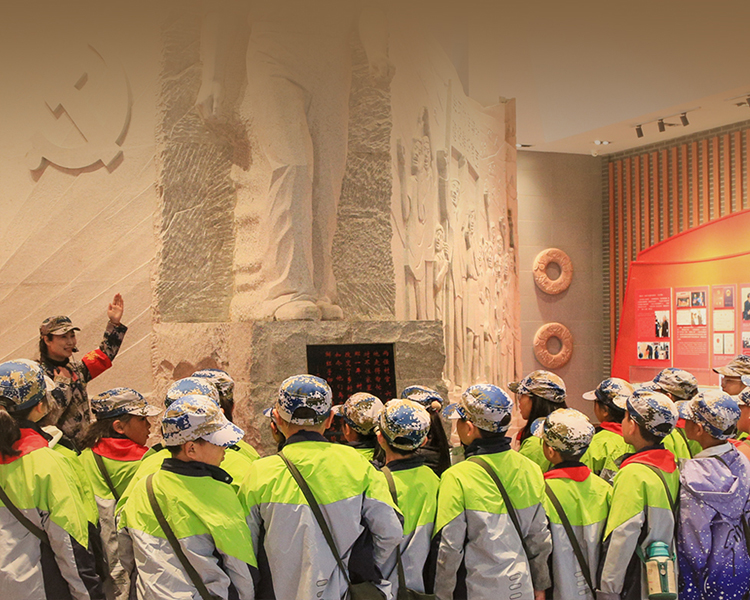
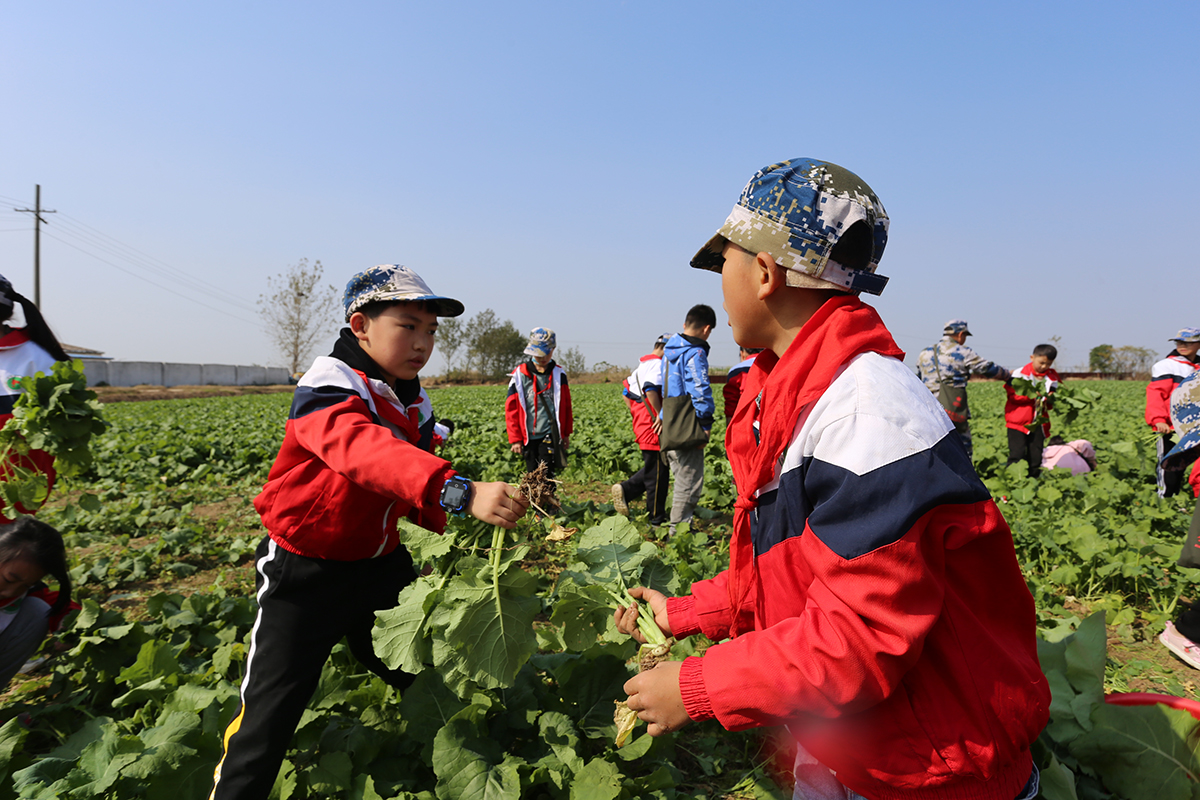
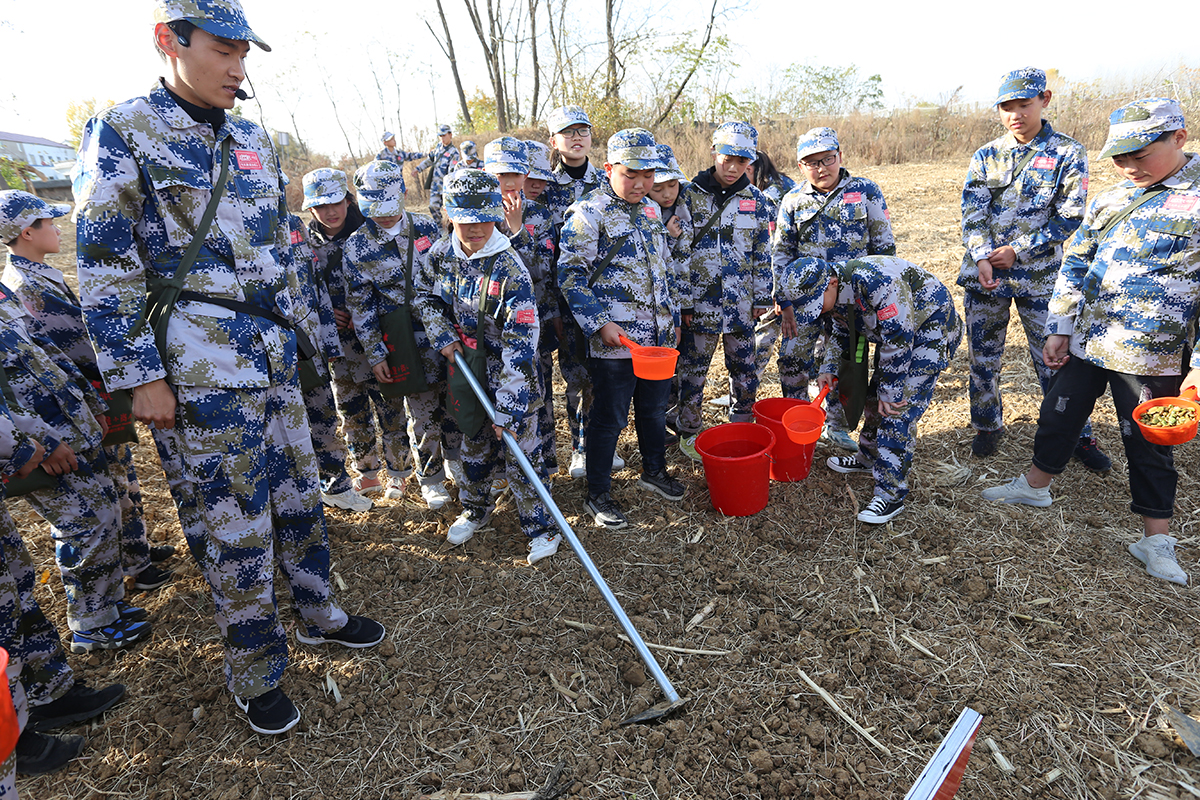
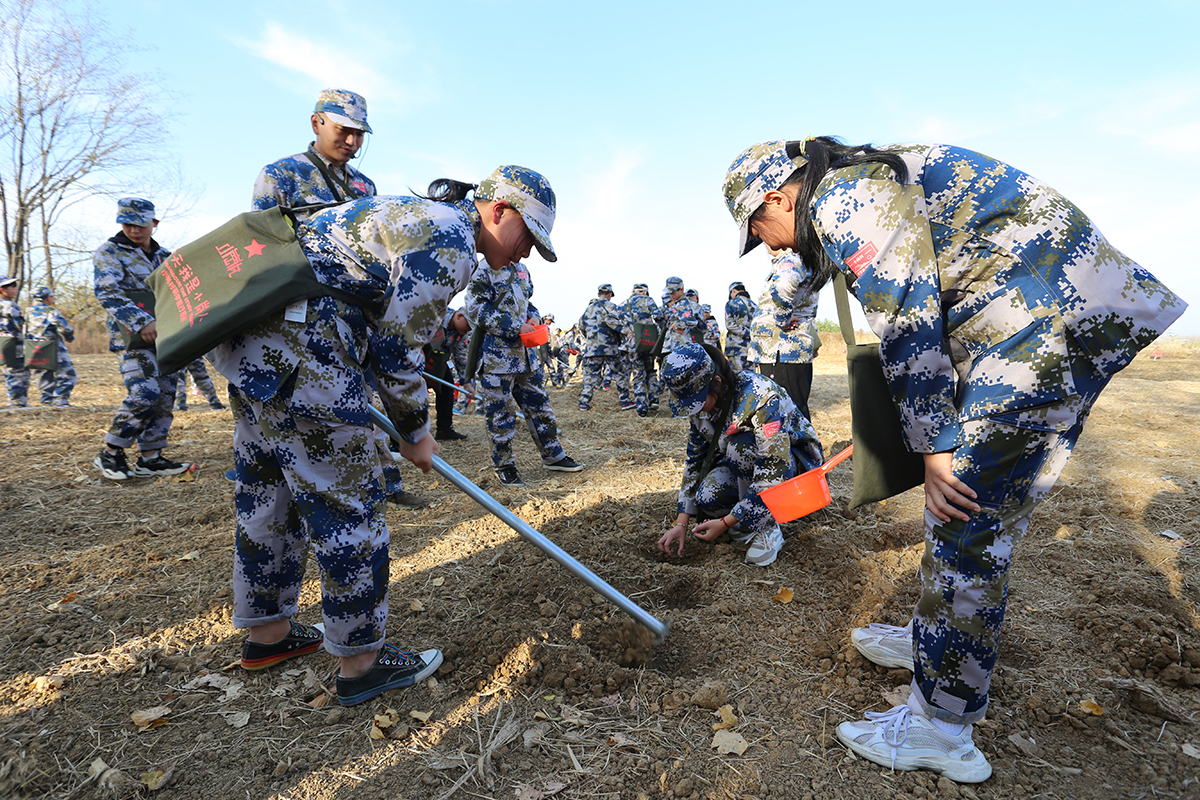
Concentrate at the provincial-level labor education practice base in Xiaogang Village, listen to instructors introduce the growth habits and planting methods of Spring Festival crops such as corn, peanuts, sweet potatoes, etc., and divide into classes and groups to conduct on-site labor experience in designated responsibility fields. Select class representatives to share their personal experiences of planting labor, improve teamwork and hands-on abilities, appreciate the hardships and difficulties of farmers' labor, cherish and save food, and cultivate good habits of not being picky eaters and not wasting.
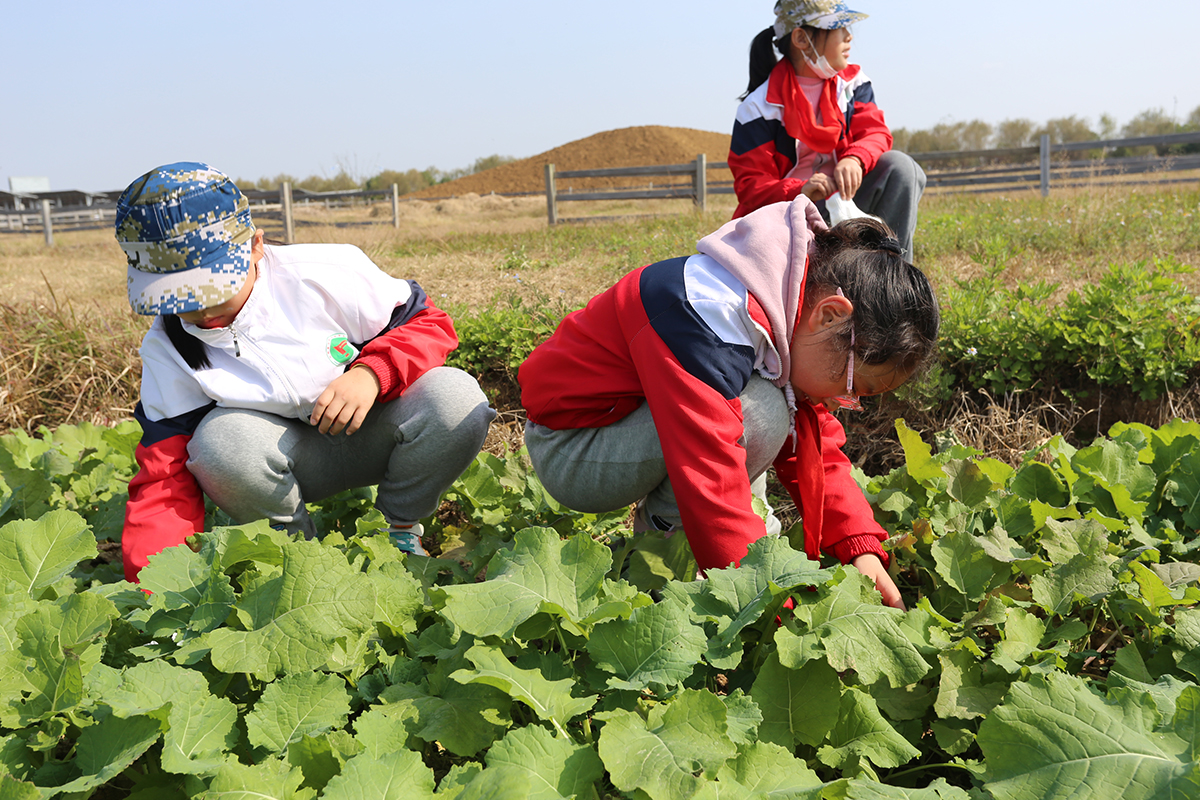
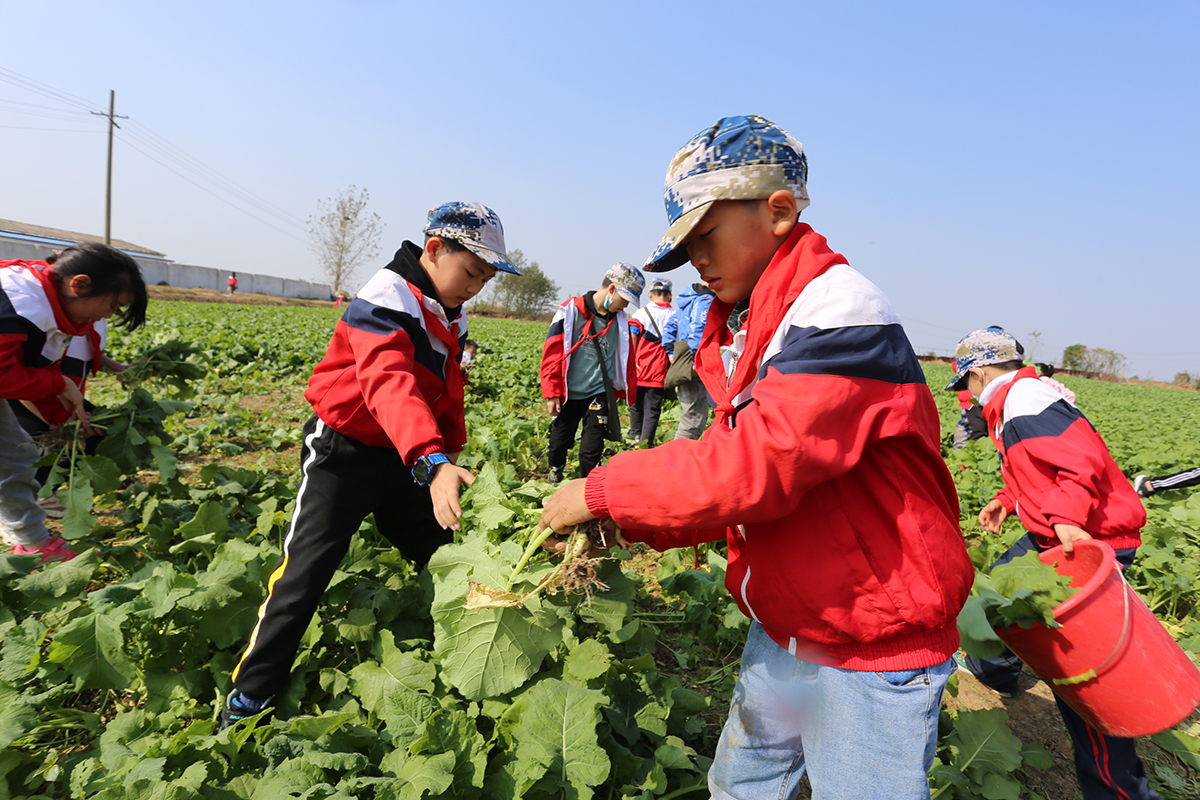
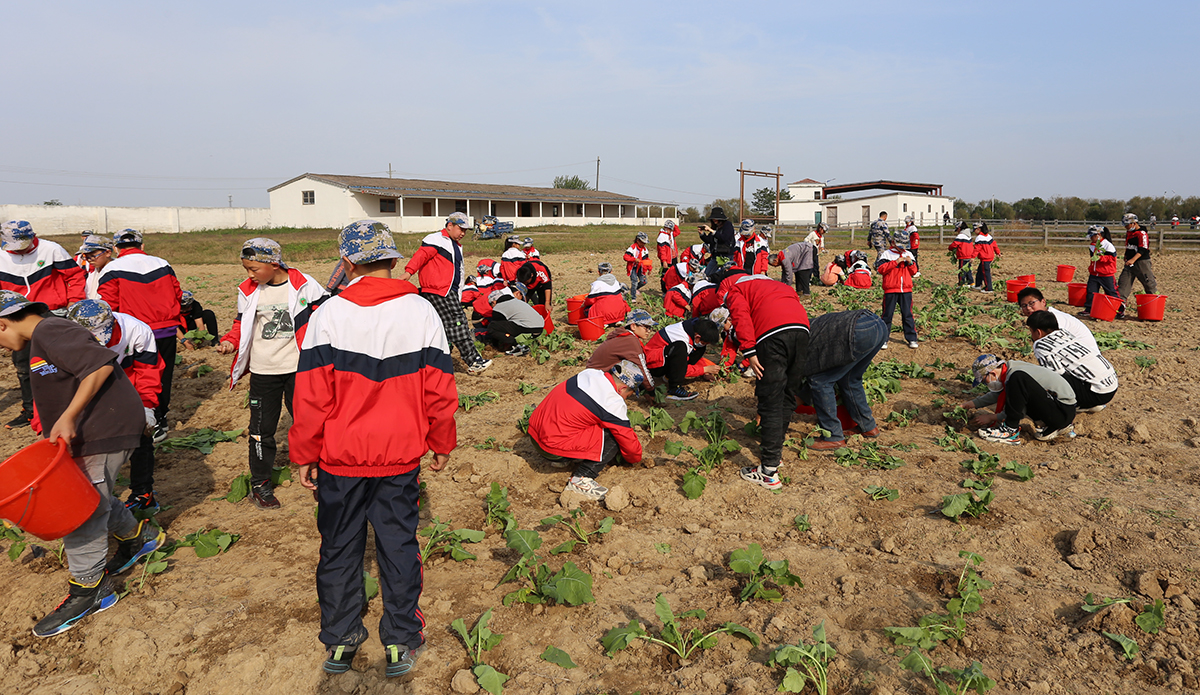
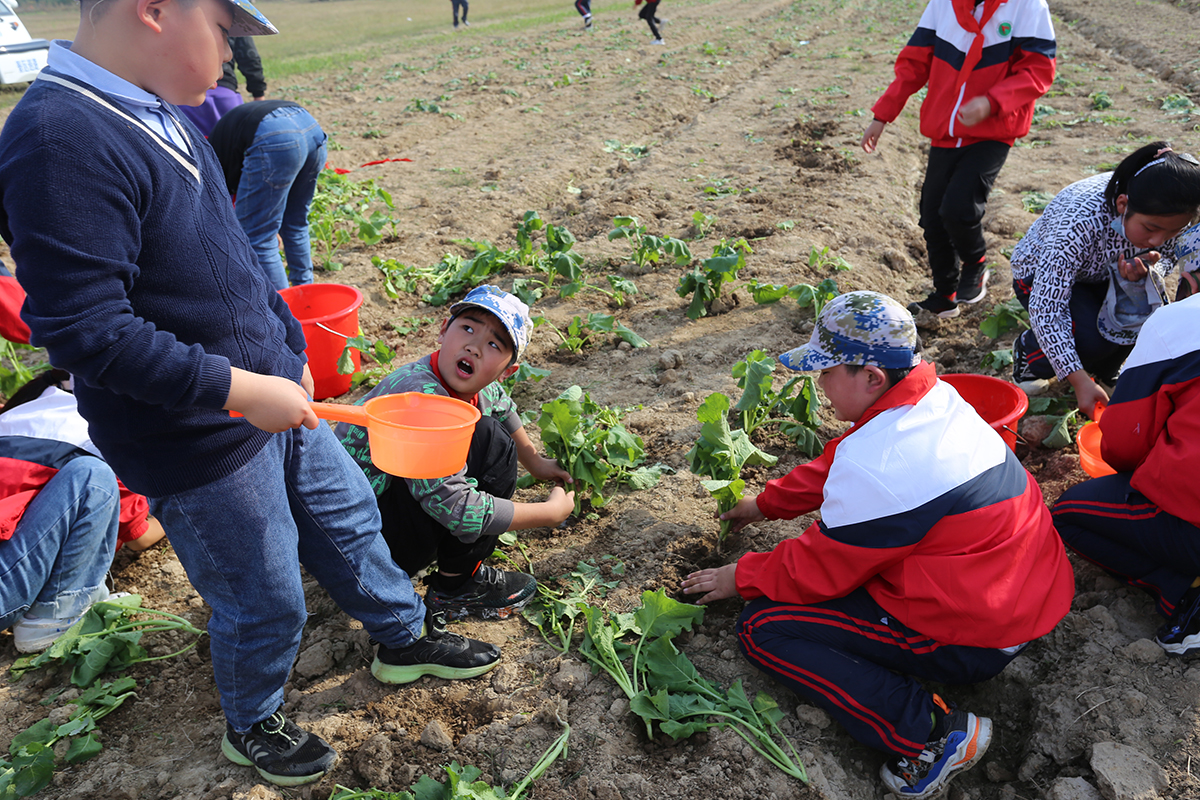
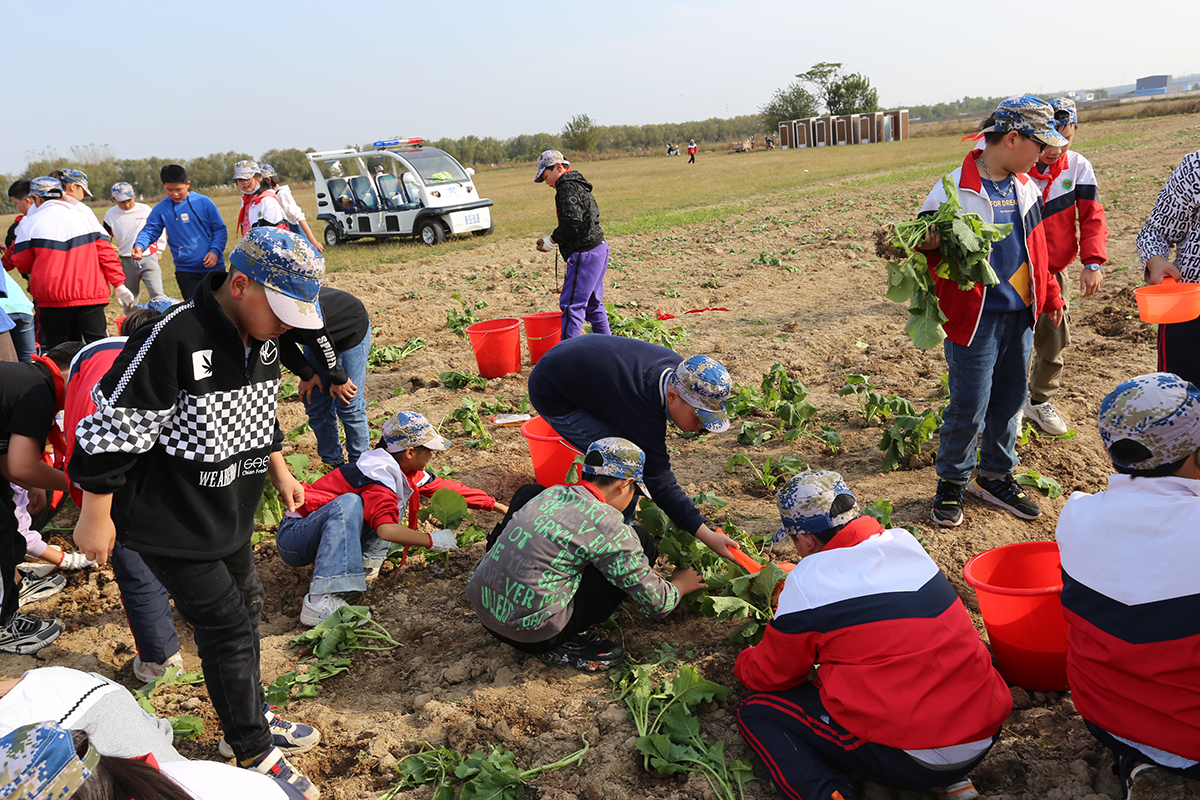
1、 Rapeseed cultivation:
Through explanations, demonstrations, group assignments, and collective summaries, students can understand the growth process and nutritional value of rapeseed, learn basic planting methods and management points. Cultivate students' abilities in independent practice, teamwork, and hands-on operation.
2、 Bean cultivation:
Through explanations, demonstrations, group assignments, and collective summaries, students can understand the history, growth process, nutritional value, and distribution of planting areas of fava beans, master basic planting methods and management points, and cultivate students' abilities in independent practice, teamwork, and hands-on operation.
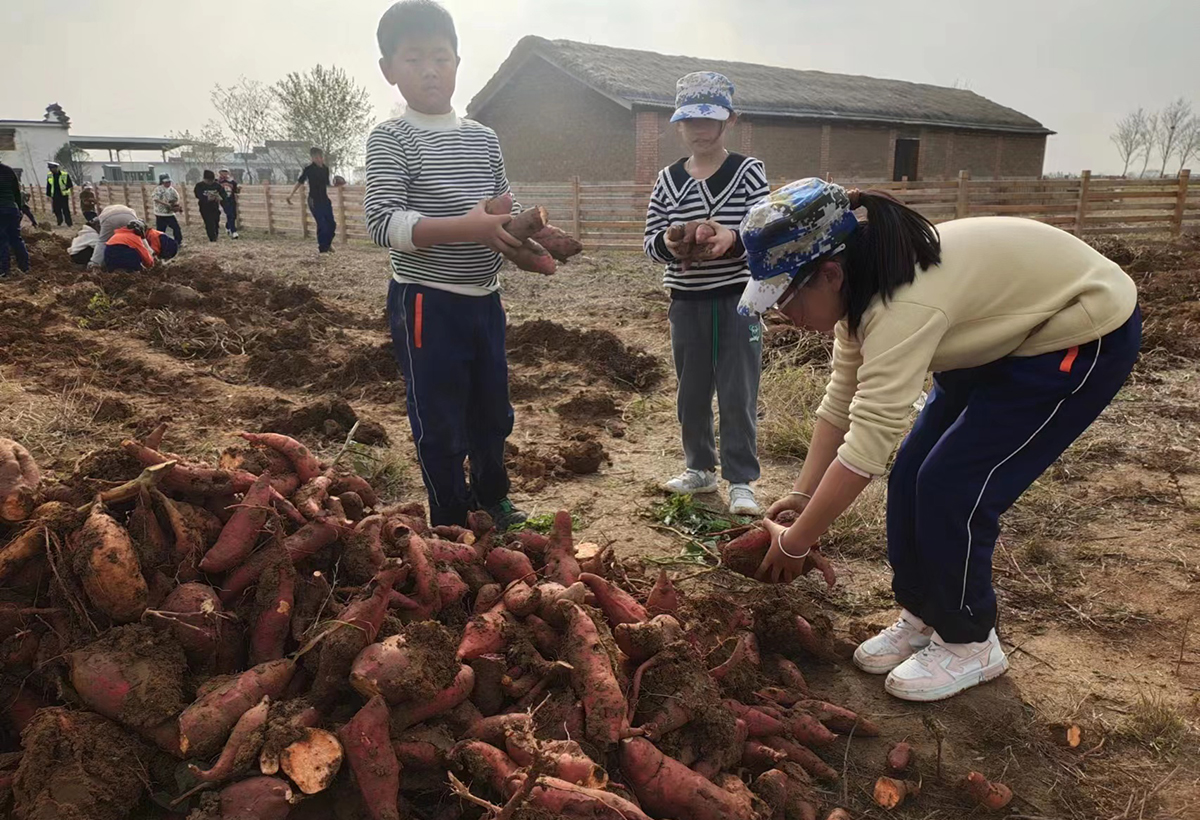
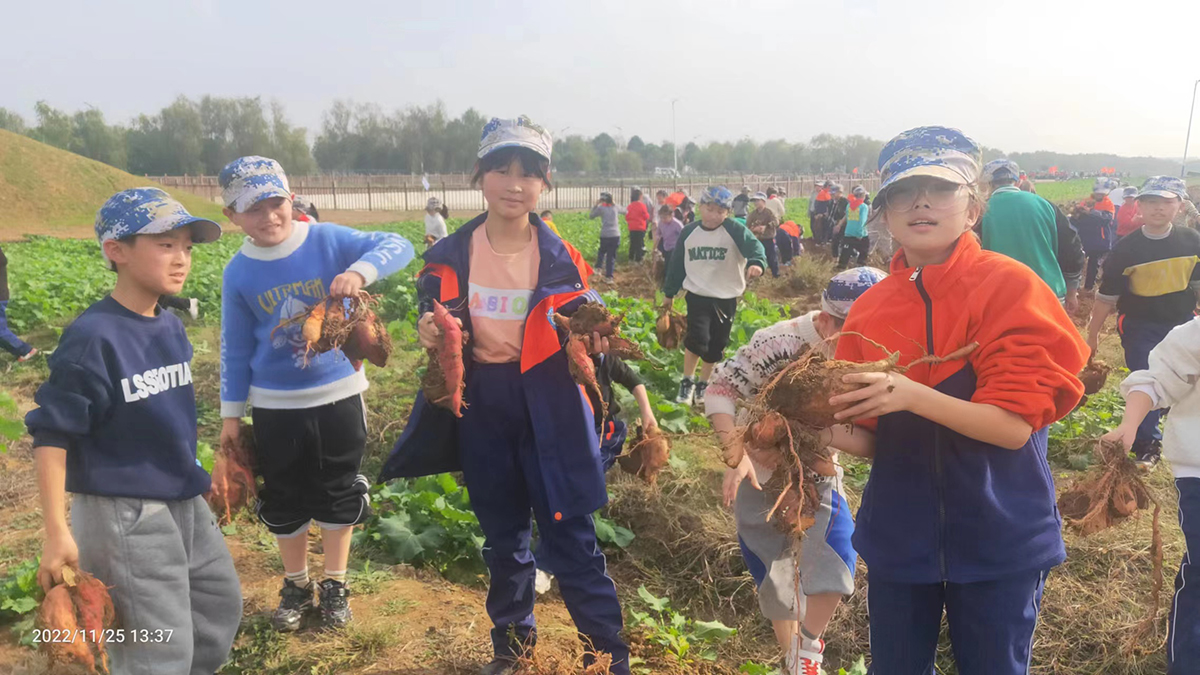
3、 Grab sweet potatoes:
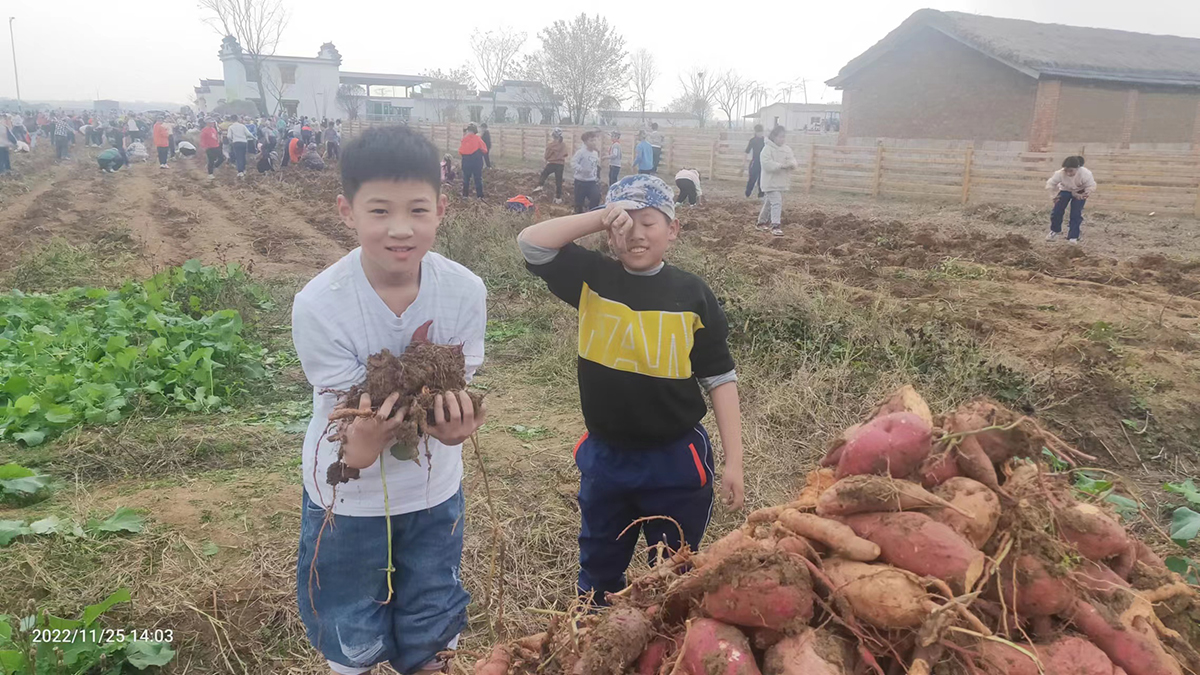
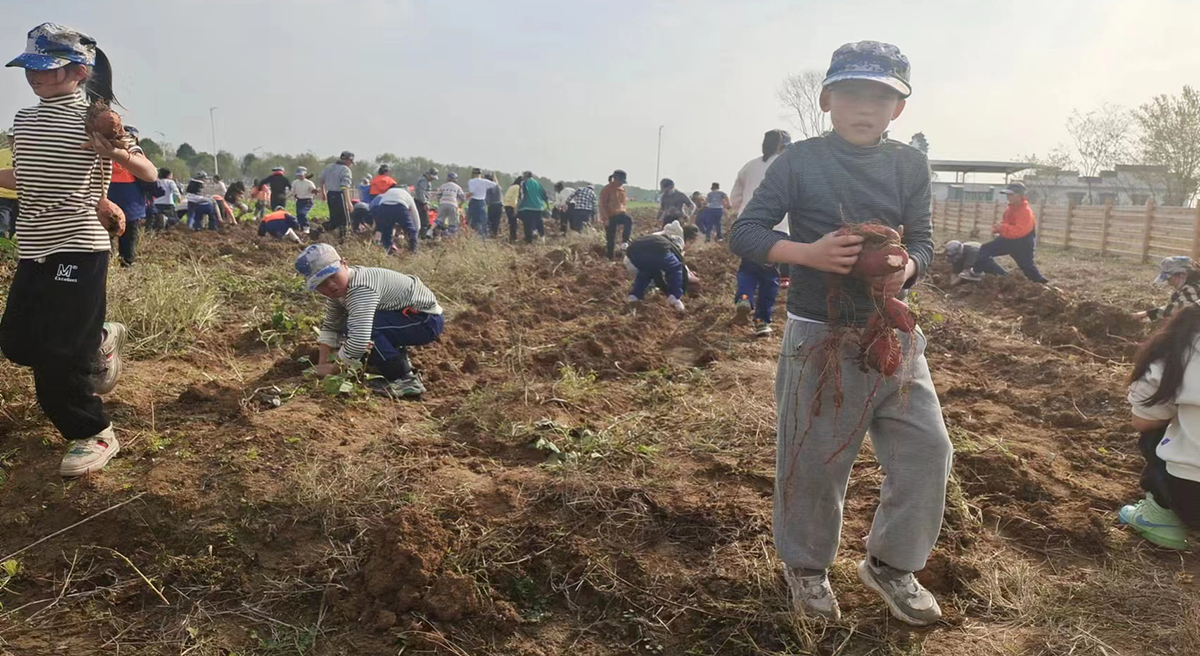
Through explanations, demonstrations, group assignments, and collective summaries, students will understand the importance of sweet potatoes as a staple food for the people during the past period of poverty. Cultivate students' sense of responsibility, cherish food, respect the moral sentiments of the working people, as well as their ability to independently practice, unite and cooperate, and operate hands-on.
4、 Rice cultivation:
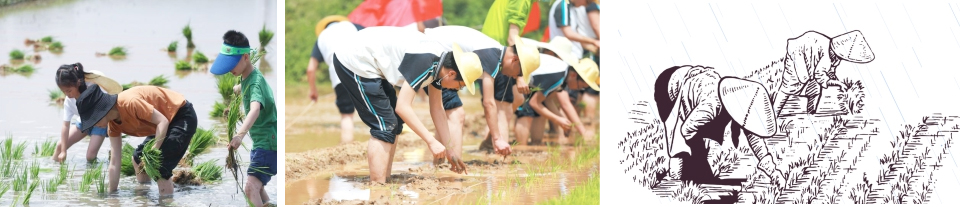
Through explanations, demonstrations, group assignments, and collective summaries, students can understand the planting techniques, historical development, growth cycle, and importance of rice for national food safety. As a staple food for the common people, it is important to cultivate the ability to observe, practice, summarize, and solve problems in their daily lives.
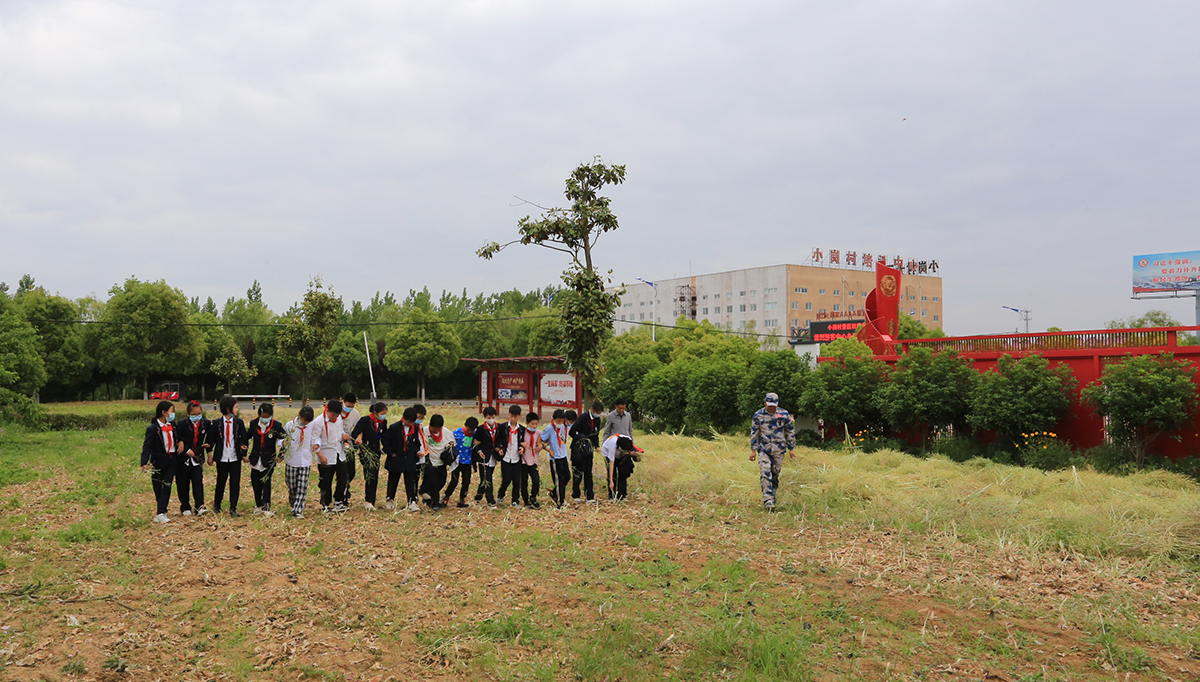
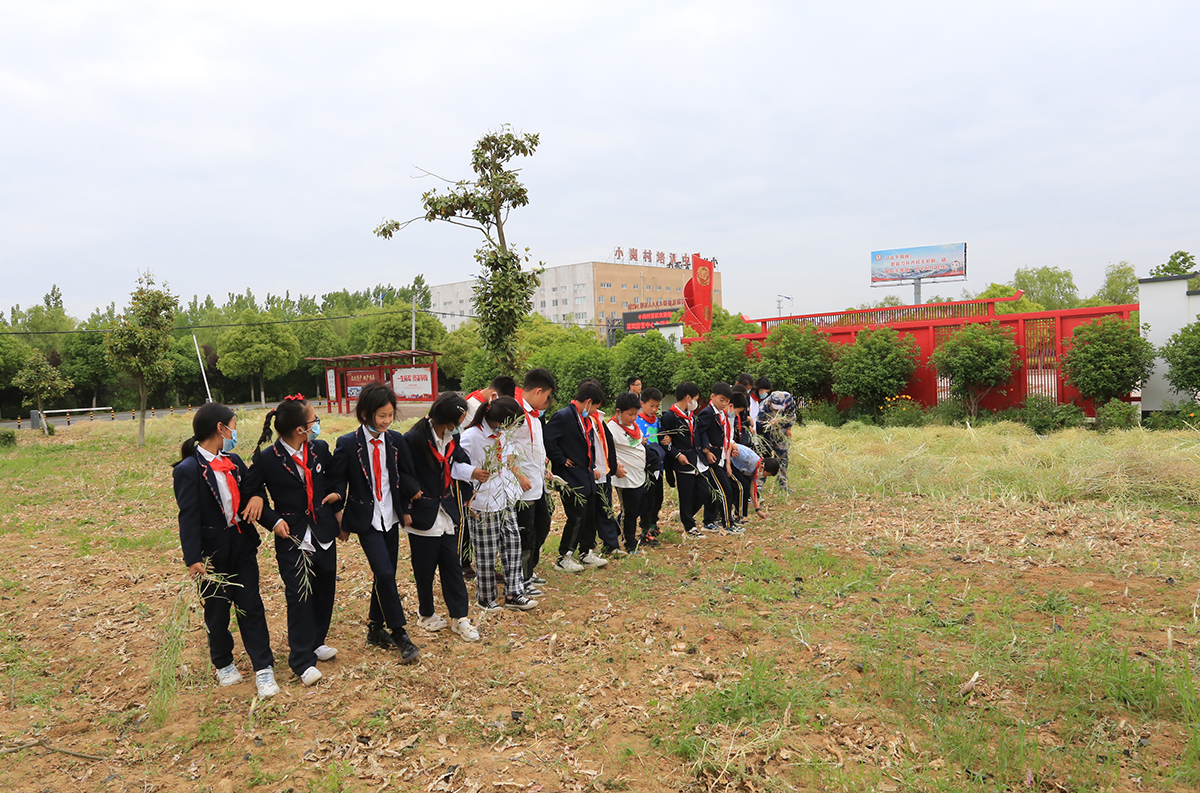
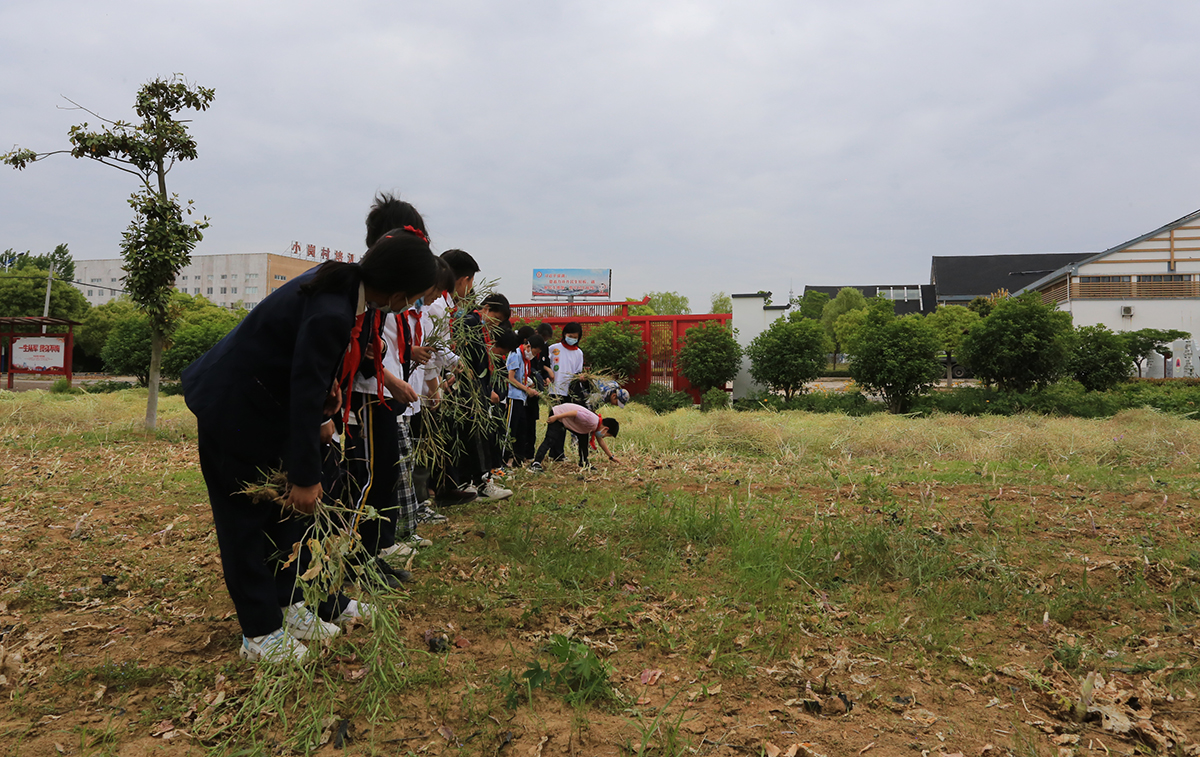
5、 Sanitation soldiers:
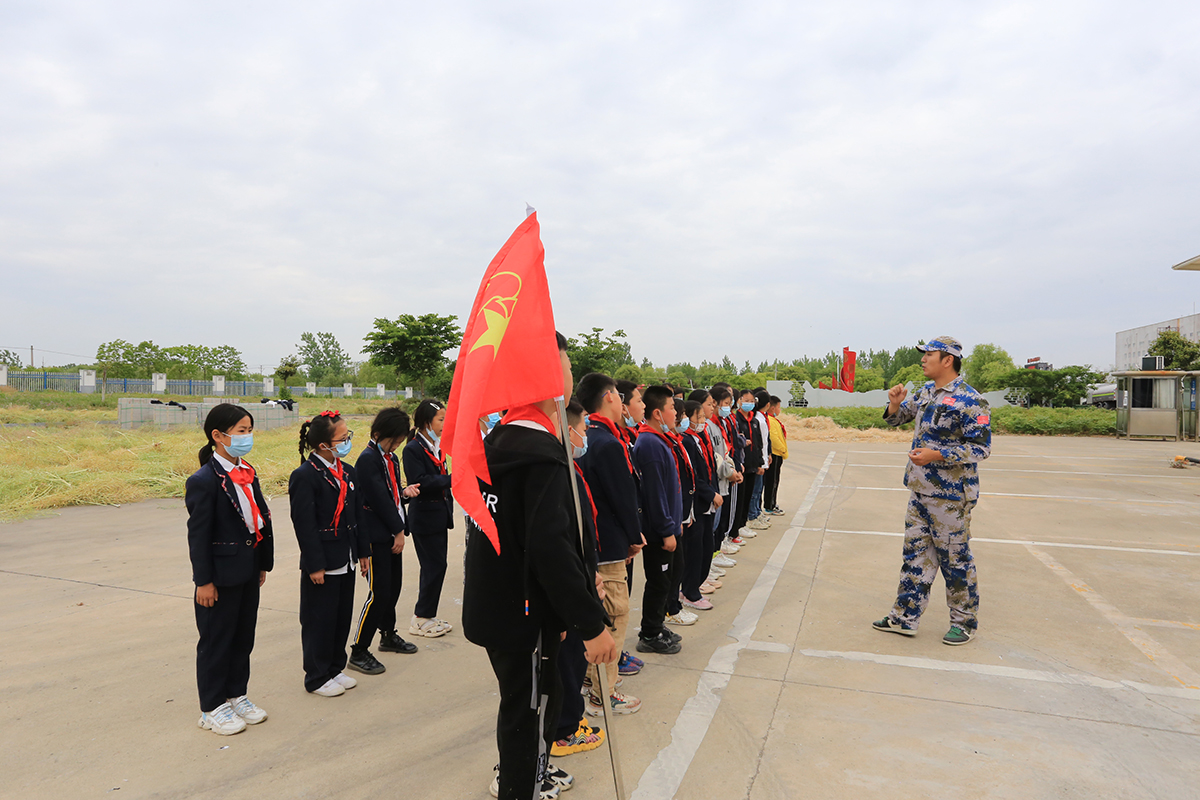
Be the "little master" of the scenic area and participate in the daily maintenance of the scenic area, cultivating students' sense of ownership and local sentiment.
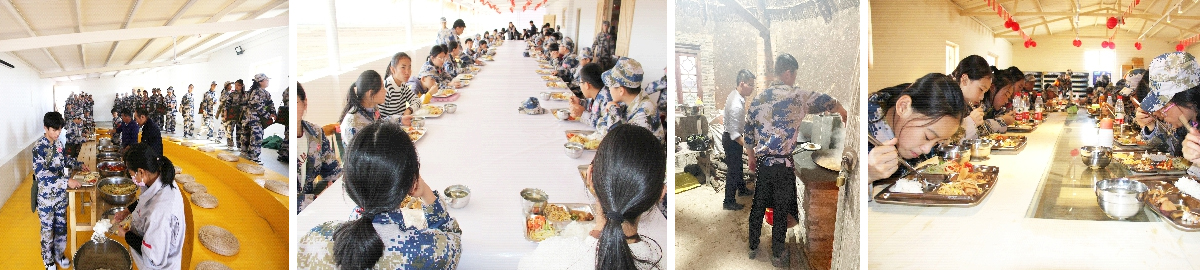
6、 Experience the rural big pot stove:
Experience the traditional big pot stove cuisine in the countryside and feel the happy rural life full of "fireworks".
7、 Internal labor:
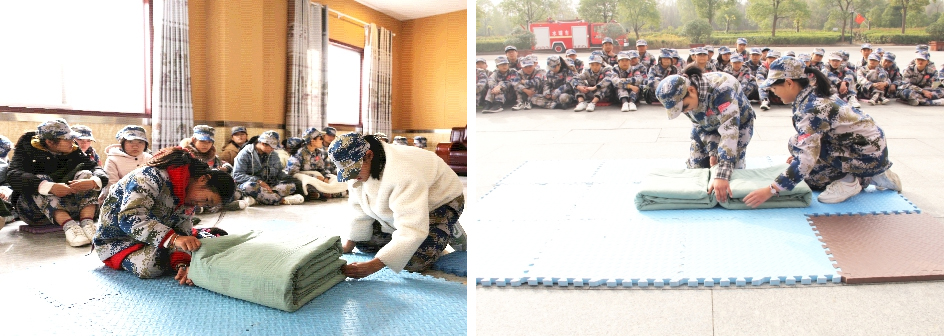
Learn about internal organization knowledge, cultivate students' ability to do household chores, guide students to be considerate of their parents, participate in family labor, and enjoy the joy of labor.
Labor Practice Courses
Concentrate at the provincial-level labor education practice base in Xiaogang Village, listen to instructors introduce the growth habits and planting methods of Spring Festival crops such as corn, peanuts, sweet potatoes, etc., and divide into classes and groups to conduct on-site labor experience in designated responsibility fields. Select class representatives to share their personal experiences of planting labor, improve teamwork and hands-on abilities, appreciate the hardships and difficulties of farmers' labor, cherish and save food, and cultivate good habits of not being picky eaters and not wasting.
1、 Rapeseed cultivation:
Through explanations, demonstrations, group assignments, and collective summaries, students can understand the growth process and nutritional value of rapeseed, learn basic planting methods and management points. Cultivate students' abilities in independent practice, teamwork, and hands-on operation.
2、 Bean cultivation:
Through explanations, demonstrations, group assignments, and collective summaries, students can understand the history, growth process, nutritional value, and distribution of planting areas of fava beans, master basic planting methods and management points, and cultivate students' abilities in independent practice, teamwork, and hands-on operation.
3、 Grab sweet potatoes:
Through explanations, demonstrations, group assignments, and collective summaries, students will understand the importance of sweet potatoes as a staple food for the people during the past period of poverty. Cultivate students' sense of responsibility, cherish food, respect the moral sentiments of the working people, as well as their ability to independently practice, unite and cooperate, and operate hands-on.
4、 Rice cultivation:
Through explanations, demonstrations, group assignments, and collective summaries, students can understand the planting techniques, historical development, growth cycle, and importance of rice for national food safety. As a staple food for the common people, it is important to cultivate the ability to observe, practice, summarize, and solve problems in their daily lives.
5、 Sanitation soldiers:
Be the "little master" of the scenic area and participate in the daily maintenance of the scenic area, cultivating students' sense of ownership and local sentiment.
6、 Experience the rural big pot stove:
Experience the traditional big pot stove cuisine in the countryside and feel the happy rural life full of "fireworks".
7、 Internal labor:
Learn about internal organization knowledge, cultivate students' ability to do household chores, guide students to be considerate of their parents, participate in family labor, and enjoy the joy of labor.
 Nationally Recognized Civilized Village
 Top Ten Famous Villages in China
 National Ecological Culture Village
 National Key Cultural Relics Protection Units
 National Rural Revitalization Demonstration Village
 National 4A level tourist attraction